
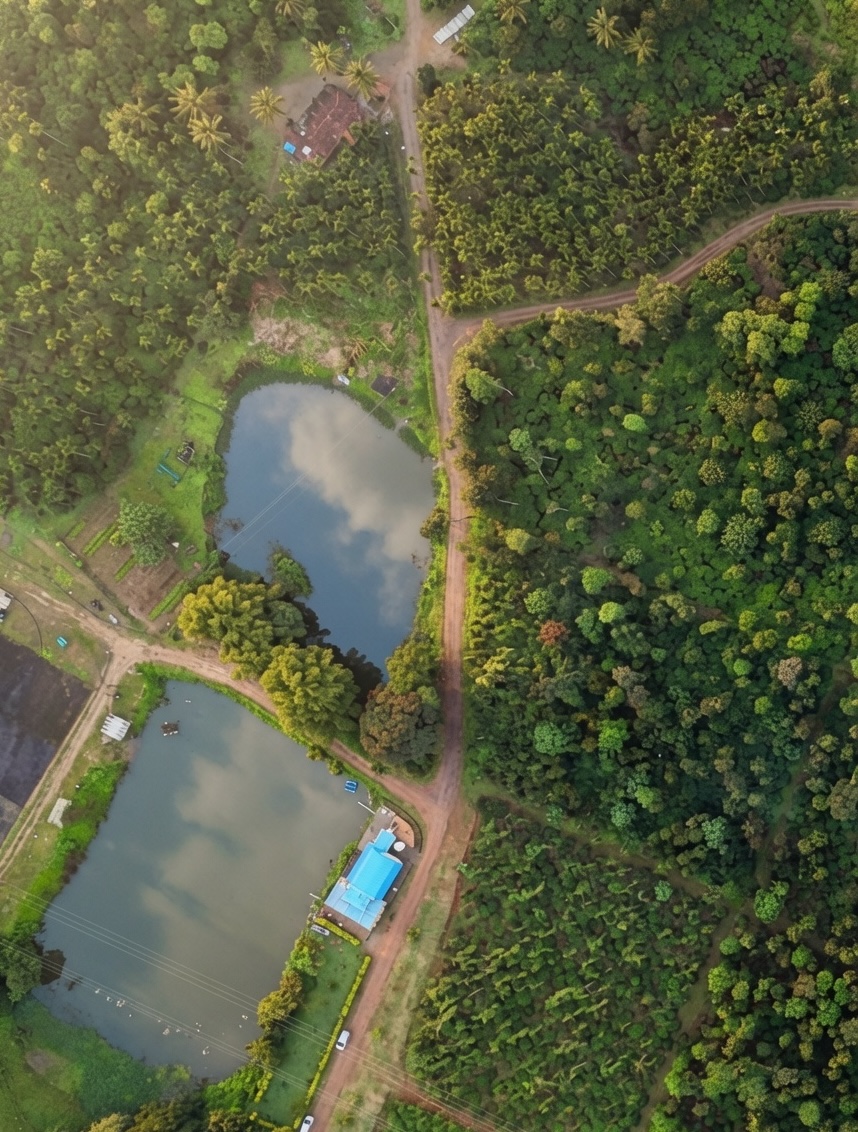
- Saptha Ventures Farmland
Blogs

Investing in Managed Farmland: Financial & Environmental Benefits by Saptha Ventures
In today's evolving investment landscape, many people are exploring opportunities beyond traditional options such as fixed deposits, stocks, and residential real estate. Managed farmland investment is gaining attention among investors interested in land ownership, agricultural productivity, and environmental sustainability.
Farmland offers potential for long-term land appreciation and agricultural activities, depending on location, soil quality, infrastructure, and management practices. At Saptha Ventures, we recognise the importance of informed land investment and responsible land management.
What Is Managed Farmland Investment?
Managed farmland investment involves purchasing or investing in agricultural land where farming activities and land maintenance may be supported by a management team or service provider.
Depending on the project, management services may include:
- Land maintenance and property upkeep.
- Plantation planning and agricultural operations.
- Irrigation coordination and water management.
- Crop cultivation and farm maintenance.
- Monitoring agricultural activities.
The exact services depend on the project. Investors should confirm the ownership structure, management agreement, responsibilities, and associated costs before investing.
Financial Benefits of Managed Farmland Investment
1. Potential for Long-Term Land Appreciation
Farmland may appreciate in value over time depending on its location, road connectivity, water availability, soil quality, local development, and market demand.
However, land appreciation is not guaranteed. Investors should review comparable land transactions and local market conditions before making a decision.
2. Opportunities for Agricultural Income
Suitable farmland may generate income through agricultural activities such as crop cultivation, fruit farming, or other permitted farming operations.
Potential income depends on several factors:
- Crop selection and agricultural productivity.
- Weather conditions and water availability.
- Labour and maintenance expenses.
- Market demand and crop prices.
- Farm management quality and operating costs.
3. Portfolio Diversification
Managed farmland may provide an alternative to conventional financial assets and other property investments. Some investors consider agricultural land as part of a diversified long-term portfolio.
However, farmland can be difficult to sell quickly, and its value may fluctuate. Investors should assess their financial goals, risk tolerance, and liquidity requirements.
4. Tangible Asset Ownership
Land is a physical asset that can be assessed through its location, boundaries, access, soil conditions, and legal documentation.
Farmland may form part of long-term asset planning, but ownership does not guarantee a specific resale price, regular income, or uninterrupted agricultural productivity.
5. Productive Land Use
Well-selected agricultural land can support productive farming when suitable crops, water resources, and management practices are available.
Before investing, confirm that the proposed agricultural activities are legally permitted and commercially suitable for the property.
Environmental Benefits of Managed Farmland
1. Supporting Sustainable Agriculture
Responsible farmland management can encourage practices that protect soil quality and use resources efficiently. Depending on local conditions, these practices may include crop rotation, composting, mulching, and integrated pest management.
2. Improving Soil Health
Healthy soil supports crop growth, water retention, and important ecological processes. Appropriate soil management, organic matter enrichment, and suitable ground cover can help maintain agricultural productivity.
3. Encouraging Responsible Water Management
Efficient irrigation, rainwater harvesting where feasible, and suitable crop selection can help improve water management.
- Assess the availability of water throughout the year.
- Verify the legality and reliability of water sources.
- Consider water-efficient irrigation systems.
- Select crops suited to local climate conditions.
4. Supporting Biodiversity
Farmland can support local biodiversity when managed with appropriate ecological practices. Planting locally suitable species, retaining beneficial vegetation, and protecting natural habitats may provide resources for birds, pollinators, and other wildlife.
5. Maintaining Greener Rural Landscapes
Well-maintained farmland can preserve agricultural landscapes, support productive rural environments, and help reduce soil erosion when appropriate land management practices are followed.
Why Location Matters in Farmland Investment
Location is an important factor when evaluating managed farmland. Buyers should assess the following aspects before investing:
- Road connectivity: Check access roads and documented legal access.
- Soil quality: Evaluate the land's suitability for intended agricultural activities.
- Water availability: Verify water sources and seasonal reliability.
- Legal ownership: Review title documents, boundaries, and encumbrances.
- Local demand: Research comparable land transactions and market conditions.
- Management quality: Understand the provider's experience, responsibilities, and fees.
- Resale options: Consider the likely time and conditions required to sell the property.
Common Mistakes to Avoid When Investing in Managed Farmland
1. Focusing Only on Promised Returns
Be cautious of guaranteed appreciation, fixed-income claims, or unusually high projected returns without verifiable evidence. Request clear financial assumptions, expense estimates, and risk disclosures.
2. Ignoring Legal Documentation
Verify ownership records, land classification, survey boundaries, encumbrances, access rights, and applicable agricultural land regulations. Seek independent legal advice before signing an agreement.
3. Overlooking Maintenance Costs
Farmland may involve expenses for irrigation, plantation care, fencing, labour, agricultural inputs, taxes, and property management. Confirm which costs are included and which are charged separately.
4. Underestimating Agricultural Risks
Drought, excessive rainfall, pests, crop diseases, and changing market prices can affect agricultural productivity and profitability. Even well-managed farmland can experience losses.
5. Assuming Farmland Can Be Sold Quickly
Agricultural land may take time to sell, especially in locations with limited buyer demand. Consider your investment horizon and avoid committing funds that may be needed in the short term.
How to Evaluate a Managed Farmland Project
Before committing to an investment, follow these steps:
- Define your goals: Identify whether you prioritise land ownership, agricultural activity, or potential long-term appreciation.
- Research the location: Assess connectivity, agricultural suitability, and comparable transactions.
- Verify legal documents: Review ownership, land classification, access rights, and applicable restrictions.
- Understand management services: Check responsibilities, fees, contract duration, and termination conditions.
- Review financial assumptions: Consider purchase costs, recurring expenses, potential revenue, and resale scenarios.
- Inspect the property: Assess land condition, boundaries, water resources, and accessibility.
- Plan your exit strategy: Understand resale limitations and potential holding periods.
How Saptha Ventures Approaches Managed Farmland
At Saptha Ventures, managed farmland can be explored through the broader perspective of land ownership, agricultural potential, and responsible land use.
Prospective buyers should seek clear information about property location, ownership arrangements, infrastructure, agricultural suitability, management responsibilities, ongoing expenses, and potential risks.
A considered approach to farmland investment balances financial objectives with realistic expectations and an understanding of the environmental conditions affecting the property.
For details about available projects, land specifications, and management services, contact Saptha Ventures directly and review the relevant documentation before making an investment decision.
Conclusion
Managed farmland investment offers an opportunity to explore land ownership alongside agricultural productivity and responsible land management. Potential financial benefits may include long-term land appreciation, agricultural income, and portfolio diversification. Suitable farming practices may also support soil health, efficient water use, and biodiversity.
However, farmland is not a guaranteed source of income or appreciation. Its performance depends on location, legal ownership, agricultural conditions, management quality, operating costs, and future buyer demand.
At Saptha Ventures, informed decision-making begins with understanding the land, examining the investment structure, and evaluating both its potential and its risks.
Frequently Asked Questions (FAQs)
1. What is managed farmland investment?
Managed farmland investment involves investing in agricultural land where farming operations or property maintenance may be supported by a management provider. Services depend on the specific project.
2. Is managed farmland a good long-term investment?
It may suit investors who understand land ownership risks and can hold the asset over a longer period. Returns are not guaranteed, and suitability depends on location, costs, legal conditions, and personal financial circumstances.
3. Can managed farmland generate income?
Potentially, yes. Agricultural activities may generate revenue, but actual income depends on crop selection, yields, market prices, operating expenses, weather, and management performance.
4. What are the environmental benefits of farmland management?
Responsible management can support soil health, efficient water use, suitable vegetation, and biodiversity. Benefits depend on the farming methods used and the local ecosystem.
5. What documents should I check before buying farmland in India?
Depending on the location and transaction, buyers should verify title documents, land records, survey details, encumbrances, access rights, land classification, and applicable agricultural land ownership restrictions. Independent legal advice is recommended.
6. What risks should I consider before investing in farmland?
Important risks include uncertain appreciation, agricultural losses, water scarcity, climate conditions, maintenance expenses, regulatory restrictions, and limited resale liquidity.
7. How can I learn more about managed farmland from Saptha Ventures?
Contact Saptha Ventures for project-specific information, including ownership arrangements, location, land documentation, management services, costs, and applicable terms. Review all relevant documents before investing.

India’s first holistic managed farmland company, helping city families own, grow, and cherish organic farms. Strategically located near the Karnataka–Andhra Pradesh border, close to Bagepalli.